Beyond the world’s most popular vacation spots lie thousands of lesser-known, remote islands to visit that offer extraordinary landscapes, unique cultures, and fascinating histories.
When people dream about islands, they often picture famous destinations filled with resorts, crowded beaches, and well-known attractions. Many remain largely untouched by mass tourism, making them some of the most intriguing places on Earth.
These remote islands may never appear on a typical travel itinerary, but they reveal how diverse and surprising our planet can be. For curious explorers, they represent opportunities to discover places that still feel genuinely different from the rest of the world.
Islands Shaped by Isolation
One of the most fascinating aspects of remote islands is how isolation influences their development.
Separated from mainland populations, many islands evolved unique cultures, traditions, and ways of life. Local customs that disappeared elsewhere sometimes survive for generations because outside influences arrive slowly.
Isolation also affects the natural world. Plants and animals often evolve differently when separated from larger ecosystems. Some islands contain species found nowhere else on Earth, making them important locations for scientific research and conservation.
This combination of cultural and biological uniqueness helps explain why even small islands can hold outsized significance.
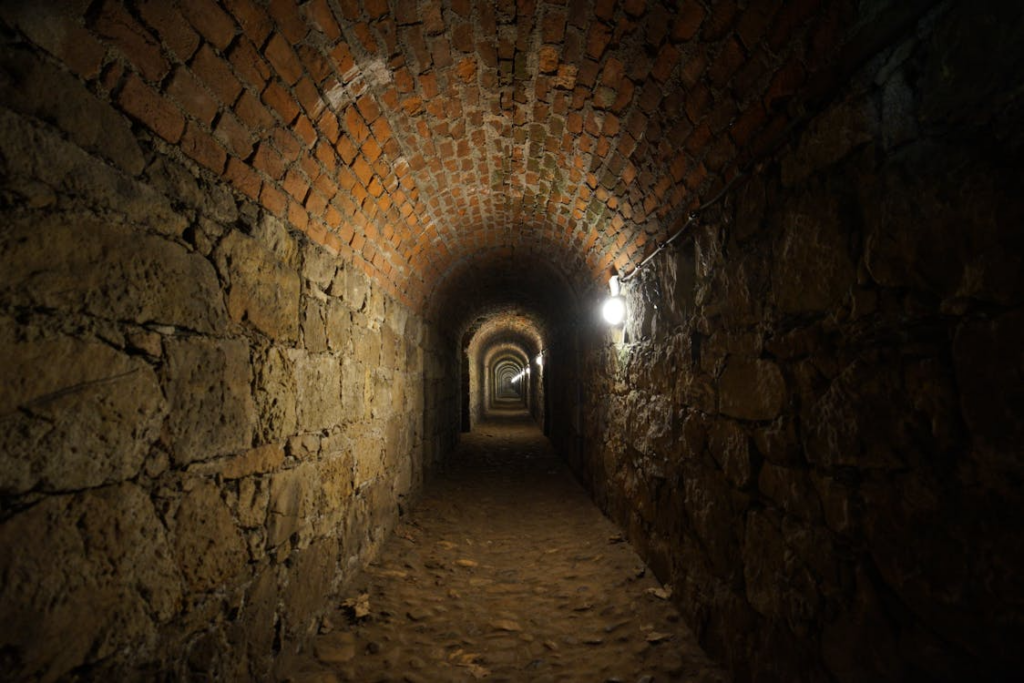
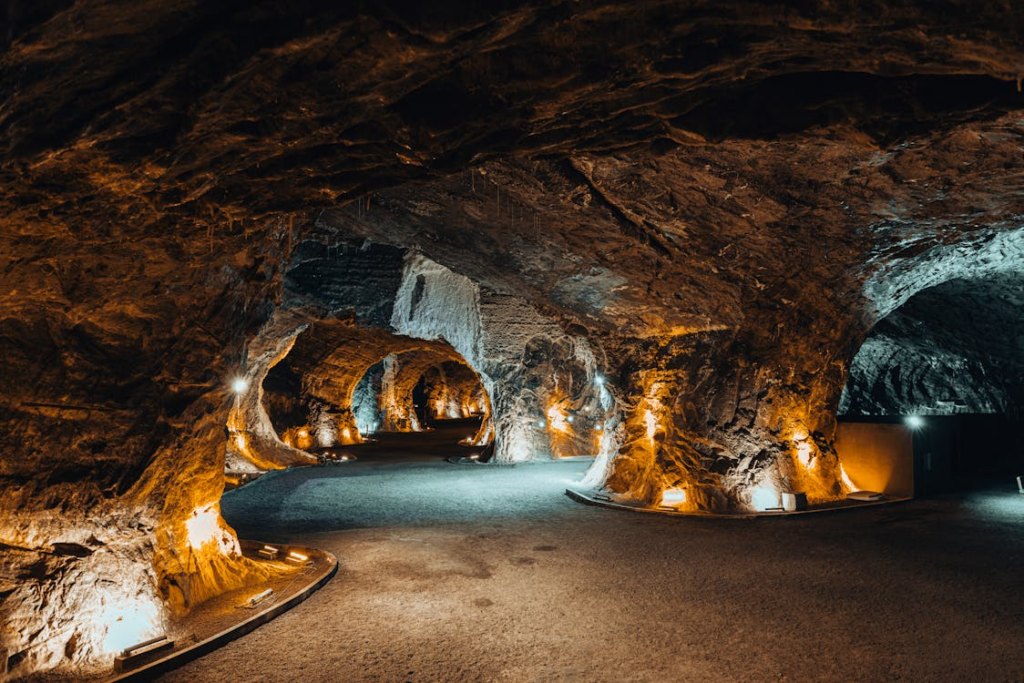
See Underground Attractions Most Travelers Miss for off-route discoveries.
Landscapes Unlike Anywhere Else
Many little-known islands possess landscapes that seem almost unreal.
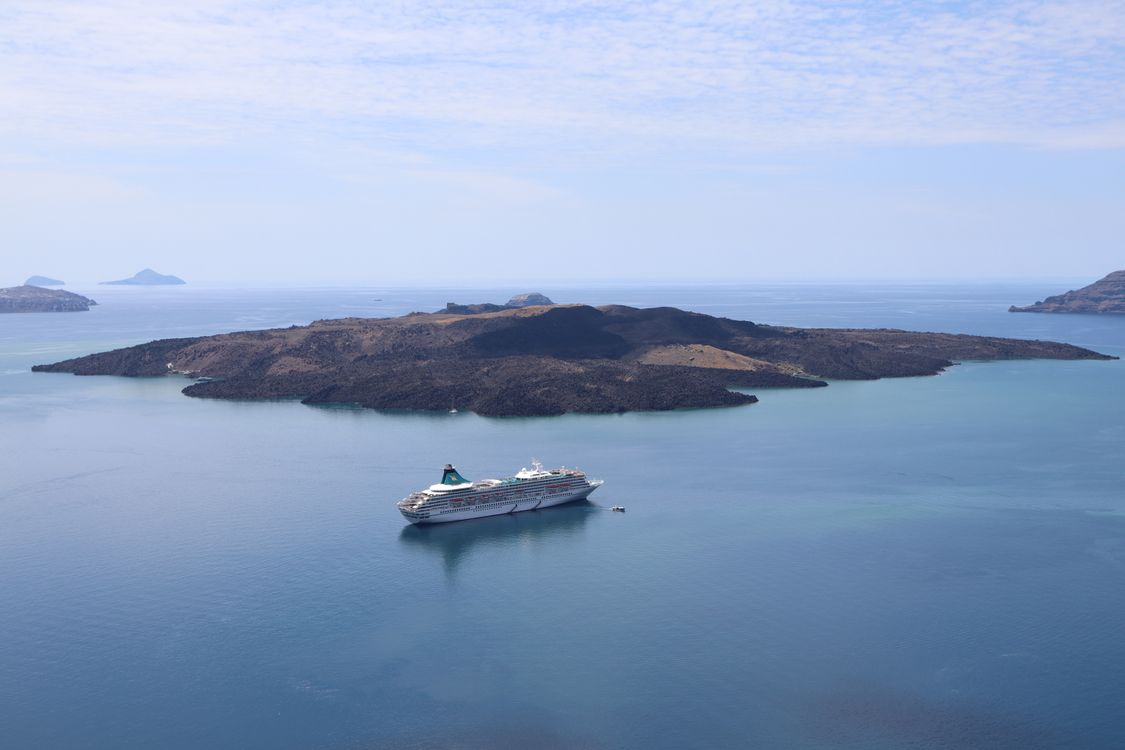
Volcanic islands may feature dramatic cliffs, black-sand beaches, and rugged terrain shaped by ancient eruptions. Others are covered in dense forests, windswept grasslands, or unusual rock formations sculpted by centuries of weather and waves.
Crystal-clear waters and vibrant marine ecosystems surround some islands, while others are defined by harsh conditions that challenge both wildlife and human settlement.
Because these islands receive fewer visitors, many retain a sense of wildness that is increasingly difficult to find in heavily developed destinations.
Communities With Remarkable Histories
Remote islands often have histories every bit as compelling as their scenery.
Some served as important trading posts, connecting distant regions through maritime commerce. Others became refuges for settlers, explorers, or communities seeking isolation. Certain islands played strategic roles during wars, while others developed distinctive cultures through centuries of relative independence.
Many island communities have learned to thrive despite limited resources and geographic challenges. Their histories reveal stories of resilience, adaptation, and creativity that continue to shape local life today.
Visitors frequently discover that the people and traditions of an island are just as memorable as the landscapes themselves.
Read Tiny Towns With Surprisingly Big Stories for remote community stories.
Wildlife Havens Hidden From the Crowds
Many lesser-known islands function as important sanctuaries for wildlife.
Because human populations are often small, these islands can provide safe habitats for birds, marine animals, and rare species. Some host massive seabird colonies, while others serve as nesting grounds for sea turtles or breeding areas for marine mammals.
Conservation efforts on remote islands have helped protect ecosystems that might otherwise be threatened by development. In some cases, scientists continue to discover previously unknown species.
For nature enthusiasts, these islands offer opportunities to observe wildlife in relatively undisturbed environments.
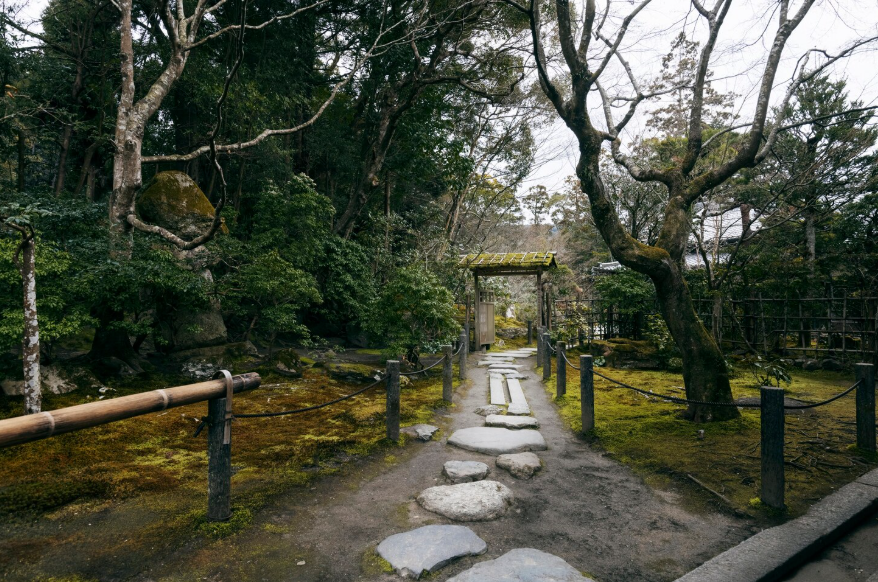
Check Hidden Gardens Around the World for nature-focused escapes.
Why These Islands Continue to Inspire Curiosity
Part of the appeal of little-known islands comes from the sense of mystery they inspire.
Unlike heavily promoted destinations, these places often require effort to reach. Their remoteness creates a feeling of exploration that many travelers find appealing. Simply arriving can feel like an adventure.
Yet the greatest reward is often the perspective these islands provide. They remind us that the world remains full of places that have not been thoroughly documented, photographed, or commercialized. They encourage curiosity and invite visitors to experience landscapes and cultures that exist beyond the usual tourist routes.
While most people may never visit these remote islands, learning about them expands our understanding of the world. Their stories highlight the incredible diversity of human communities and natural environments that exist across the globe.
The next time you look at a map, take a moment to notice the islands scattered across distant oceans. Many hold remarkable stories, unique ecosystems, and extraordinary beauty, even if most travelers never set foot on their shores.
Explore Places That Look Like They Belong on Another Planet for unusual landscapes.