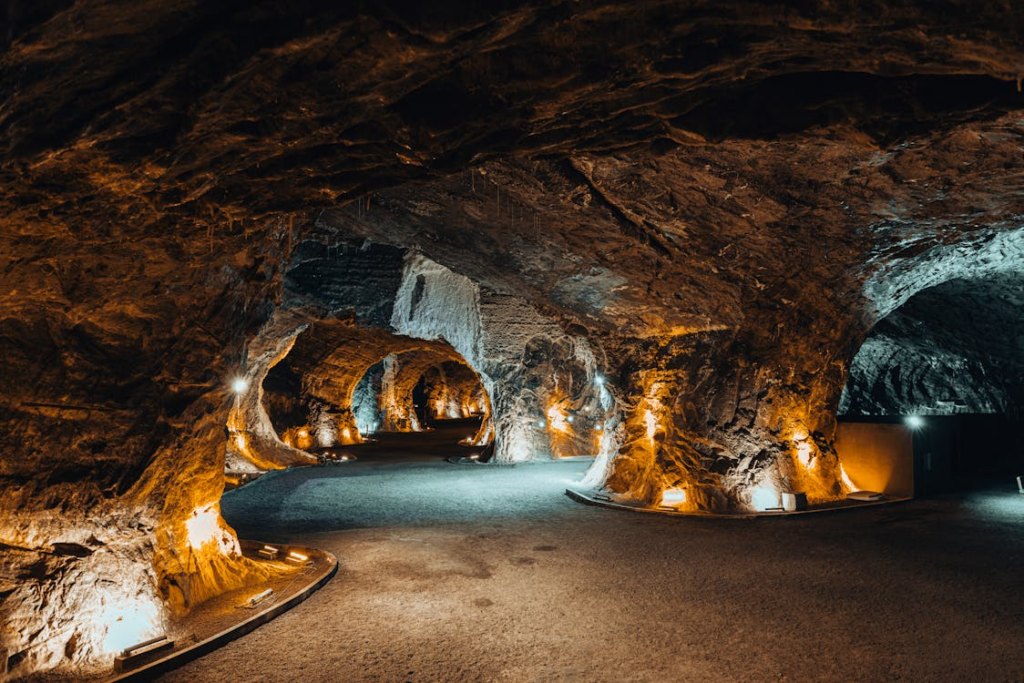
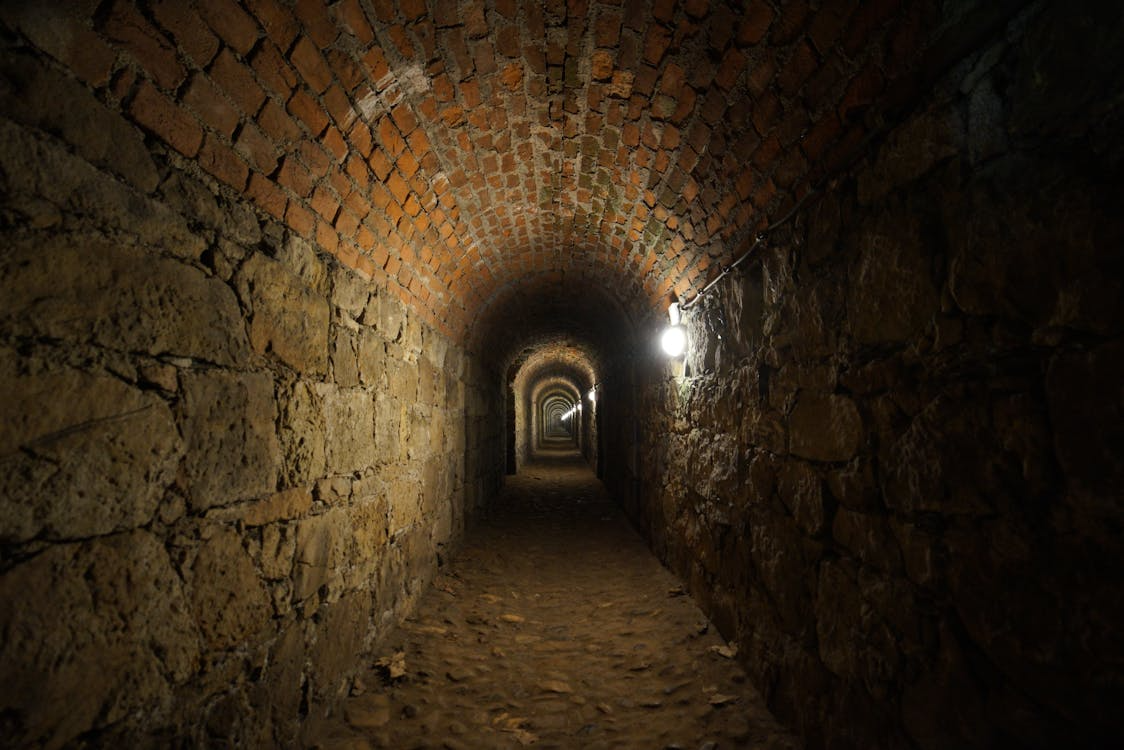
Today, some of these secret areas remain hidden, while others have been opened to the public, revealing fascinating stories about the people who built them and the reasons they existed.
Real secret passages and hidden rooms often seem like elements of fiction. They appear in mystery novels, adventure stories, and movies where characters discover concealed doors, hidden staircases, or forgotten chambers behind walls. Yet many real buildings contain exactly these kinds of features. Throughout history, people have created hidden spaces for protection, privacy, security, and even entertainment.
Hidden Spaces Built for Protection
Many secret passages were created during times of political unrest, war, or religious persecution.
In medieval castles, concealed stairways and escape routes allowed residents to flee during attacks. These hidden corridors often connected important rooms to secure exits beyond the castle walls. Their existence could mean the difference between capture and survival.
Centuries later, hidden rooms were used for similar purposes. During periods of conflict or oppression, individuals sometimes concealed themselves within specially designed spaces built behind walls, beneath floors, or inside attics.
These secret areas serve as powerful reminders of the challenges people faced and the creative solutions they developed to protect themselves.
See Historic Hotels With Incredible Stories for more hidden history.
The Mystery of Priest Holes
One of the most famous examples of hidden rooms comes from England.
During periods of religious conflict in the 16th and 17th centuries, some Catholic families constructed concealed spaces known as priest holes. These small compartments were designed to hide clergy from authorities conducting searches.
Often built into walls, chimneys, staircases, or beneath floorboards, priest holes were carefully disguised to avoid detection. Some were so cleverly concealed that they remained undiscovered for centuries.
Today, several historic homes still contain these secret hiding places, providing visitors with a fascinating glimpse into a turbulent chapter of history.
Explore Historic Mysteries That Remain Unsolved for unanswered questions.
Secret Passages in Grand Homes
Not all hidden rooms were created for survival.
In large estates and mansions, concealed corridors often served practical purposes. Wealthy homeowners sometimes built passageways that allowed servants to move through the house unseen while performing daily duties.
These hidden routes helped maintain the illusion of effortless household operations. Meals appeared, rooms were cleaned, and guests were assisted without drawing attention to the staff working behind the scenes.
Some homes also featured hidden libraries, private studies, and concealed storage rooms. In many cases, bookcases, panels, or decorative features doubled as secret doors.
These spaces combined functionality with an element of mystery that continues to captivate visitors today.
Read Forgotten Landmarks Hiding in Plain Sight for more overlooked places.
Hidden Rooms Discovered by Accident
One reason hidden spaces remain so fascinating is that discoveries continue to be made.
During renovations, homeowners occasionally uncover sealed staircases, concealed chambers, forgotten tunnels, or rooms hidden behind walls. In some cases, these spaces were intentionally concealed by previous owners. In others, they were forgotten as buildings changed over time.
These discoveries often generate excitement because they transform ordinary structures into mysteries waiting to be solved. A routine remodeling project can suddenly reveal a piece of history that nobody knew existed.
The possibility that hidden spaces may still lie undiscovered beneath familiar buildings continues to fuel public fascination.
Why Secret Spaces Capture Our Imagination
Part of the appeal of secret passages and hidden rooms comes from what they represent.
They remind us that buildings often contain stories beyond what is immediately visible. A wall may conceal a corridor. A bookshelf may hide a doorway. An ordinary room may sit above a forgotten chamber that few people knew existed.
These spaces also appeal to our natural curiosity. Humans are drawn to mysteries, especially those involving hidden places and untold stories. Secret rooms invite questions. Who built them? Why were they needed? What happened there?
While modern construction rarely includes hidden chambers on the scale seen in historic buildings, the fascination remains strong. People continue to seek out stories of concealed spaces, forgotten tunnels, and secret doors because they offer a rare sense of discovery.
The next time you visit a historic home, castle, or old building, remember that what you see may not be the whole story. Behind a wall or beneath a floor could be a hidden space that has quietly preserved its secrets for generations.
Check The Most Interesting Things Found in Attics and Basements for similar discoveries.